The Emerging Destinations Set to Become the Next Global Travel Hotspots
The global travel landscape is undergoing a profound structural shift. Over-tourism in traditional European hubs, rising costs in major metropolitan centers, and a growing desire for authentic, unhurried cultural immersion are prompting millions of international travelers to look beyond the usual itineraries.
Rather than queuing for hours at hyper-commercialized landmarks, modern travelers are seeking emerging travel destinations—under-the-radar regions that combine pristine landscapes, rich heritage, improved accessibility, and meaningful cultural exchanges. Identifying the world’s future travel hotspots requires looking at a intersection of infrastructure growth, local conservation, and evolving traveler priorities.
What Makes a Destination the Next Travel Hotspot?
A location rarely becomes a global destination by accident. The transition from an obscure, off-the-beaten-path gem to a major travel hub is driven by specific catalyst factors:
-
Improved Air and Ground Connectivity: Expanded regional airport runways, new direct international flight routes, high-speed rail links, and simplified visa systems lower the physical barriers to entry.
-
Tourism Infrastructure Investment: Strategic private and public sector investment in boutique lodging, reliable internet networks, and localized guide training allows places to host international visitors comfortably.
-
Affordability and Value: Rising global inflation makes destinations offering high purchasing power, affordable fine dining, and competitively priced accommodations particularly appealing.
-
Cultural Authenticity and Unique Heritage: Modern travelers increasingly prioritize raw, unmanufactured experiences—such as living indigenous traditions, rare culinary methods, or untouched architectural legacy.
-
Natural Attractions and Biodiversity: Unspoiled coastlines, dramatic mountain chains, and pristine national parks draw eco-conscious travelers seeking wellness and active exploration.
-
Safety, Stability, and Accessibility: Stable domestic environments paired with clear emergency services build confidence for first-time international visitors.
-
Digital Virality and Shifting Preferences: Social platforms, travel documentaries, and word-of-mouth recommendations can quickly elevate hidden travel gems to world recognition.
-
Sustainable Tourism Policies: Destinations prioritizing low-impact, community-focused growth avoid early environmental degradation and build long-term appeal.
Emerging Travel Destinations to Watch
The following regions highlight diverse geographies across Central Asia, Latin America, Africa, Europe, and Asia-Pacific. Each offers a compelling case for becoming one of the next global travel hotspots.
       [ Central Asia ]               [ Latin America ]               [ Africa & Middle East ]
    Uzbekistan & Tajikistan        El Salvador & Valparaíso           Morocco's Atlantic Coast
              │                               │                                  │
              ├───────────────────────────────┼──────────────────────────────────┤
              │                               │                                  │
       [ Southeast Asia ]             [ Eastern Europe ]               [ Asia-Pacific ]
       Luang Prabang, Laos              Albanian Riviera               Palau & Micronesia
1. Uzbekistan: The Reawakening Silk Road Heart
Key Appeal: Ancient Islamic architecture, Silk Road history, visa-free travel
Target Traveler: History buffs, cultural explorers, rail travelers
Growth Indicator: +37% international arrivals in early 2026 (UN Tourism)
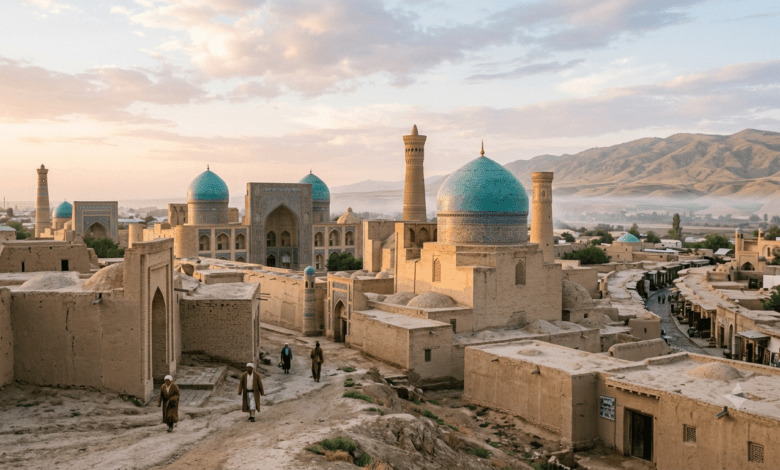
Uzbekistan has shifted rapidly from a obscure Central Asian nation into one of the world’s most compelling cultural destinations. Historic cities such as Samarkand, Bukhara, and Khiva feature tiled minarets, grand madrasas, and turquoise-domed mausoleums thatrival the historical grandeur of the Middle East and Southern Europe.
Current Infrastructure & Growth:
The Uzbek government introduced visa-free access for over 90 nationalities, streamlined e-visa systems, and built the high-speed Afrosiyob train network connecting Tashkent to Samarkand and Bukhara. Tourism figures reported by UN Tourism show international arrivals surging by 37% year-over-year.
Challenges & Future Hotspot Potential:
Summer heat can be severe, and seasonal hotel shortages persist during peak spring and autumn months. As high-speed rail expands toward Khiva and boutique heritage hotels open in ancient courtyards, Uzbekistan is well-positioned to become a premier global destination for cultural heritage tourism.
2. El Salvador: Central America’s Coastal & Volcanic Frontier
Key Appeal: World-class surf breaks, volcanic hiking, rich coffee regions
Target Traveler: Adventure enthusiasts, surfers, digital nomads
Growth Indicator: +43% international arrivals in early 2026 (UN Tourism)
Long overlooked due to historical safety concerns, El Salvador is experiencing a significant tourism transformation. The nation’s Pacific coastline offers consistent, world-class point breaks, while its interior features cloud-forest volcanoes and historic coffee haciendas.
Current Infrastructure & Growth:
Through targeted government investments in the “Surf City” coastal development program, security upgrades, and modernized road networks, international traveler confidence has climbed sharply. UN Tourism data highlights a 43% increase in international tourist arrivals in early 2026.
Challenges & Future Hotspot Potential:
Rapid development risks outpacing local water and sanitation infrastructure along coastal villages. However, its small geographical size—allowing visitors to surf in the morning and hike a volcano by afternoon—gives El Salvador a distinct competitive advantage in Central American tourism.
3. The Albanian Riviera: Europe’s Unspoiled Mediterranean Alternative
Key Appeal: Turquoise Ionian coastline, Ottoman heritage, extreme affordability
Target Traveler: Beach lovers, budget-conscious road trippers, backpackers
Growth Indicator: Substantial multi-year growth across Southern European travel
As coastal hotspots like the Amalfi Coast, Santorini, and the French Riviera face severe over-tourism and escalating costs, travelers are turning to Albania’s southern coast. Towns like Ksamil, Himara, and Dhërmi offer pristine beach coves along the Ionian Sea at a fraction of Western European prices.
Current Infrastructure & Growth:
Significant infrastructure developments, including the construction of Vlora International Airport and upgraded coastal highways, are eliminating transit hurdles. Inland UNESCO sites such as Gjirokastër and Berat complement the coastal draw with rich Ottoman architecture.
Challenges & Future Hotspot Potential:
Summer traffic bottlenecks and rapid resort construction threaten fragile coastal ecosystems. If local authorities successfully implement eco-conscious urban planning, the Albanian Riviera may become one of Mediterranean Europe’s primary vacation alternatives.
4. Luang Prabang & The Lao Highlands: Soft Travel in Southeast Asia
Key Appeal: UNESCO heritage, Buddhist traditions, slow river travel, dramatic karst peaks
Target Traveler: Wellness seekers, slow travelers, cultural immersionists
Growth Indicator: +31% YoY search interest for slow travel experiences
Situated at the confluence of the Nam Khan and Mekong rivers, Luang Prabang offers a tranquil alternative to Southeast Asia’s busier urban capitals. The town is celebrated for its preserved French-colonial architecture, historic Buddhist temples, and morning alms-giving traditions.
Current Infrastructure & Growth:
The opening of the Boten–Vientiane high-speed railway (Lao-China Railway) has fundamentally changed transit through northern Laos, reducing travel time between Vientiane, Vang Vieng, and Luang Prabang from hours on winding roads to short train rides. Interest in “soft travel” and wellness retreats has driven a strong surge in long-stay international visitors.
Challenges & Future Hotspot Potential:
Preserving spiritual dignity amid rising tourist foot traffic remains a delicate balance. Nevertheless, Laos offers a compelling landscape for travelers seeking mindful, sustainable travel experiences.
5. Morocco’s Atlantic Coast: Beyond Marrakech to Essaouira & Taghazout
Key Appeal: Windsurfing, Berber culture, bohemian coastal retreats, fresh seafood
Target Traveler: Surfers, creatives, wellness retreats, eco-travelers
Growth Indicator: +24% growth in national tourism receipts (UN Tourism)
While Marrakech and Fes remain classic destinations, international visitors are increasingly moving toward Morocco’s Atlantic rim. Towns like Essaouira, Taghazout, and Imsouane present a laid-back, wind-swept contrast to inland medinas, featuring oceanfront eco-lodges, surf clinics, and thriving artisan cooperatives.
Current Infrastructure & Growth:
Expanded direct flight connections from major European hubs into Agadir and Essaouira have simplified access. Morocco’s broader national tourism strategy, backed by high-speed rail extensions, supported a 24% increase in tourism receipts in early 2026.
Challenges & Future Hotspot Potential:
Water scarcity in southern coastal zones requires strict resort management. With its distinct blend of North African traditions and ocean wellness lifestyles, Morocco’s coast is expanding the country’s appeal beyond traditional sightseeing.
6. Palau & Micronesia: The Gold Standard for Ocean Conservation
Key Appeal: Pristine coral reefs, Jellyfish Lake, WWII history, zero-impact eco-tourism
Target Traveler: Scuba divers, marine biologists, luxury eco-tourists
Growth Indicator: +37% international arrivals in Q1 2026 (UN Tourism)
For travelers prioritizing marine biodiversity, Palau represents an extraordinary Pacific sanctuary. Famous for its Rock Islands archipelago, vibrant blue holes, and pioneering ocean conservation policies, Palau has intentionally chosen sustainable, high-value eco-tourism over high-volume arrivals.
Current Infrastructure & Growth:
Palau requires incoming visitors to sign the environmental “Palau Pledge” upon entry. UN Tourism data shows a 37% growth in arrivals in early 2026, driven by growing global demand for world-class diving and pristine marine environments.
Challenges & Future Hotspot Potential:
Remote location and high aviation costs limit volume, which aligns with Palau’s low-impact conservation strategy. It serves as a global model for how island nations can build sustainable, resilient travel economies.
7. Valparaíso & The Leyda Valley, Chile: Pacific Arts & Coastal Terroir
Key Appeal: Hillside street art, historic funiculars, cool-climate vineyards, Pacific views
Target Traveler: Art lovers, gastronomy enthusiasts, independent wanderers
Growth Indicator: Growing demand for southern South American culinary destinations
Rising dramatically above the Pacific Ocean, Valparaíso is Chile’s cultural capital, renowned for its colorful hillside cerros, vibrant street art, and historic cable railways (ascensores). Nearby, the Leyda and Casablanca Valleys produce some of South America’s finest cool-climate wines.
Current Infrastructure & Growth:
Upgraded highway links from Santiago, a expanding cruise terminal, and an active bohemian food and boutique hotel scene are attracting travelers seeking alternatives to traditional regional stops.
Challenges & Future Hotspot Potential:
Preserving historic wooden structures against urban wear and wildfire risks requires ongoing municipal effort. Valparaíso’s creative energy positions it as an appealing cultural hub for travelers exploring South America’s Pacific coast.
8. The Visayas, Philippines: Quiet Coral Islands & Island Hopping
Key Appeal: White-sand beaches, whale shark conservation, tranquil island lifestyle
Target Traveler: Island hoppers, divers, tropical beach lovers
Growth Indicator: Regional shifts toward off-beat island destinations in Asia
While Boracay and Palawan remain heavily visited, the central Visayas region—including islands like Siquijor, Bohol, Malapascua, and Apo Island—offers quiet beaches and thriving marine life without major crowd density.
Current Infrastructure & Growth:
Improved inter-island fast ferry connections and expanded regional airports (such as Bohol-Panglao International Airport, designed with green architectural standards) make multi-island itineraries easier to navigate.
Challenges & Future Hotspot Potential:
Seasonal typhoon risks and delicate reef environments mean sustainable tourism growth is critical. The Visayas region offers classic tropical island experiences balanced by localized conservation initiatives.
Comparative Matrix: Emerging Hotspots Overview
| Destination | Primary Appeal | Accessibility Status | Key Target Demographic | Primary Challenge |
| Uzbekistan | Silk Road history & architecture | High-speed rail, Visa-free entry | History buffs, cultural tourists | Seasonal accommodation limits |
| El Salvador | Surf beaches, volcanic trails | Modernized highways, major hub access | Surfers, adventurers, nomads | Coastal water infrastructure |
| Albanian Riviera | Mediterranean beaches, low costs | New airport construction, highway upgrades | Beach lovers, road trippers | High summer congestion |
| Luang Prabang, Laos | UNESCO heritage, spiritual retreats | High-speed regional train access | Wellness seekers, slow travelers | Preserving cultural traditions |
| Moroccan Coast | Ocean surf, Berber coastal culture | Direct European flights, rail links | Eco-travelers, wellness retreats | Coastal water resource management |
| Palau | Marine biodiversity, scuba diving | Long-haul flight routes | Eco-tourists, marine divers | High travel and flight costs |
| Valparaíso, Chile | Street art, gastronomy, wine valleys | 90-min drive from Santiago | Art lovers, food & wine tourists | Urban heritage maintenance |
| The Visayas, Philippines | Marine life, island hopping | Regional airport & ferry networks | Divers, beach lovers, backpackers | Climate & seasonal weather events |
Sustainability and Responsible Tourism
Rapid tourism growth brings economic opportunities, including job creation, infrastructure development, and heritage preservation funding. However, without careful management, swift surges in visitor volume can lead to rising housing costs for locals, environmental degradation, and lost cultural character.
                  ┌──────────────────────────────────────────┐
                  │ Sustainable Growth Framework for Hotspots│
                  └────────────────────┬─────────────────────┘
                                       │
        ┌──────────────────────────────┼──────────────────────────────┐
        ▼                              ▼                              ▼
┌──────────────┐              ┌────────────────┐             ┌────────────────┐
│ Environmental│              │   Community    │             │  Visitor-Side  │
│  Protection  │              │ Investment     │             │  Responsibility│
└───────┬──────┘              └───────┬────────┘             └───────┬────────┘
        │                             │                              │
  • Low-impact tech             • Locally owned stays          • Shoulder-season travel
  • Coral/Park protection       • Direct guide hiring          • Cultural awareness
  • Waste management            • Artisan preservation         • Low-carbon transit
To ensure these upcoming destinations thrive sustainably, several priorities are essential:
-
Community-Led Tourism: Local residents should hold direct ownership in tourism initiatives, ensuring economic benefits support municipal infrastructure, schools, and health services.
-
Environmental Protections: Setting daily capacity limits for sensitive ecosystems—such as Palau’s marine reserves or Laos’ waterfalls—protects natural assets from habitat damage.
-
Resource Preservation: Developing green waste-management systems and renewable energy grids prevents environmental strain during peak seasons.
-
Cultural Preservation: Protecting living heritage, indigenous languages, and traditional arts ensures tourism enhances, rather than dilutes, local identity.
How Travelers Can Visit Before the Crowds Arrive
Visiting an emerging destination requires a thoughtful approach. Here are practical ways to explore responsibly:
-
Travel During Shoulder Seasons: Consider visiting during shoulder months (the periods between high and low seasons). You will experience fewer crowds, lower prices, and reduce seasonal pressure on local infrastructure.
-
Prioritize Locally Owned Businesses: Stay at family-run guesthouses, dine at independent eateries, and hire certified local guides. This ensures your travel spending directly supports the host community.
-
Research Entry Requirements and Transit Early: Emerging destinations often update visa policies and transport schedules. Verify entry visas, regional train tickets, and domestic ferry routes well in advance.
-
Respect Local Customs and Dress Codes: Take time to learn cultural etiquette, basic phrases in the local language, and appropriate dress guidelines for sacred or rural sites.
-
Minimize Environmental Impact: Bring reusable water filtration bottles, select coral-safe sunscreen, avoid single-use plastics, and stay on marked trails in ecological reserves.
-
Verify Safety and Health Guidelines: Use official government travel advisories, regional health resources, and reputable local tour operators to stay informed about regional road conditions and local health protocols.
Summary of Global Travel Trends
The emergence of these new travel hotspots reflects a broader shift toward intentional, sustainable, and culturally immersive travel. As travelers seek value and authenticity over over-crowded tourist centers, under-the-radar destinations are gaining well-deserved recognition.
By supporting responsible tourism, respecting local environments, and choosing off-the-beaten-path destinations, visitors can experience memorable, authentic journeys while helping preserve the unique character of tomorrow’s global travel hotspots.